When considering home construction or renovation, one of the most critical elements to evaluate is the roof. A roof not only protects your property from the elements but also plays a significant role in energy efficiency and overall aesthetics. Understanding how long a roof lasts and the factors that affect its longevity can help homeowners make informed decisions. In this comprehensive guide, we’ll explore the average lifespan of various roof types, factors influencing their durability, and tips for maintaining your roof to extend its life.
Average Lifespan of Different Types of Roofs
The longevity of a roof can vary widely based on the materials used, installation methods, and local climate. Here are the average lifespans of popular roofing materials:
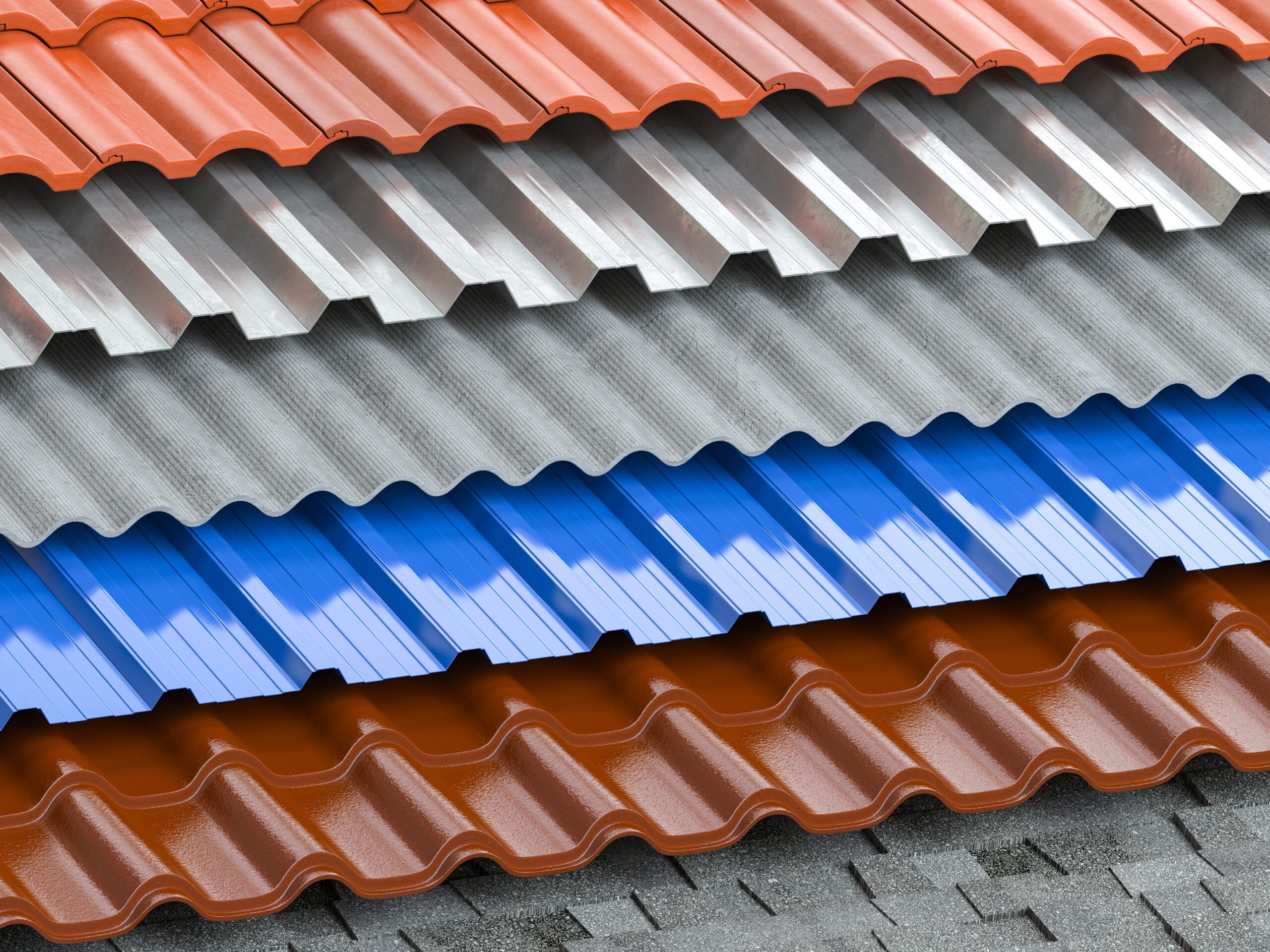
- Tile Roofs: Known for their durability and aesthetic appeal, tile roofs can last between 50 and 100 years. They are highly resistant to wind, fire, and rot, making them a popular choice for many homeowners.
- Metal Roofs: These roofs typically have a lifespan of 40 to 70 years. Metal roofs are increasingly popular due to their longevity, energy efficiency, and low maintenance requirements. They can withstand extreme weather conditions, including heavy rain and snow.
- Asphalt Roofs: A common choice for many homes, asphalt roofs usually last 15 to 30 years. They are more affordable but require periodic maintenance to avoid issues like leaks and shingle damage.
- Wood Roofs: Wood shingles or shakes can last between 20 to 40 years if maintained properly. However, they are more vulnerable to moisture, insects, and decay, necessitating regular upkeep.
Factors Affecting the Longevity of a Roof
Understanding the factors that influence the lifespan of your roof can help you make better decisions regarding maintenance and replacements. Here are the key factors to consider:
- Materials Used: The quality of roofing materials plays a crucial role in durability. Investing in high-quality materials can significantly extend the life of your roof.
- Installation: Proper installation is critical for any roofing system. A poorly installed roof may experience premature wear and tear. Hiring experienced professionals ensures the roof is installed according to the manufacturer’s guidelines and local building codes.
- Regular Maintenance: Regular inspections and maintenance are essential to identify potential issues early on. Cleaning gutters, removing debris, and checking for signs of wear can help prevent costly repairs down the line.
- Climate and Location: The local climate greatly affects the longevity of a roof. In regions with heavy rainfall, snow, or extreme heat, it’s crucial to select roofing materials that can withstand these conditions.
- Roof Design: The design and slope of your roof impact its drainage capabilities. A well-designed roof allows for efficient water runoff, reducing the risk of water damage and leaks.
Tips for Extending the Life of Your Roof
To maximize the longevity of your roof, consider the following maintenance tips:
- Schedule Regular Inspections: Have your roof inspected at least twice a year and after major storms to identify any damage early.
- Clean Your Gutters: Clogged gutters can lead to water accumulation, increasing the risk of leaks and structural damage. Clean gutters regularly, especially in the fall.
- Trim Overhanging Trees: Overhanging branches can scratch roofing materials and create debris buildup. Regularly trim trees to keep them at a safe distance from your roof.
- Address Repairs Promptly: If you notice any damage, such as missing shingles or leaks, address these issues as soon as possible to prevent further complications.
Understanding how long a roof lasts and the factors affecting its longevity is vital for homeowners. By investing in quality materials, ensuring proper installation, and performing regular maintenance, you can significantly extend the life of your roof. If you’re considering a new roof installation or need maintenance services, contact us at Ariz Moraira. Our team of experienced professionals is here to help you protect your investment and ensure your home remains safe and secure.
